Socializing is something society does constantly, whether it be verbally or not. A simple wave to a neighbor or a hello to a classmate can spark a connection. Not all are deeply personal, but each one we make is important. We as people build relationships almost daily, whether we realize it or not, but for some, it can be harder to do so. Going out and talking to people you don’t know can be scary. You do not know who they are, or if they like the same things you do. This can then unnerve people and cause them to feel that making friends is not worth it, especially in a place like college. Yet, it is one of the most important places to do so. College allows young adults to make connections and develop skills that they can utilize in the future. Whether it be learning how to properly work with people interested in the same career as you or making a lasting relationship with a professor that can be a reference for jobs and/or internships, the people you meet in college can leave a lasting impact. It is also the time when many people get jobs and start careers to become more independent. However, if the idea of having to socialize in a work or school setting is too much for an individual, it can lead to increased anxiety and poor performance. Having deficits in social skills can impede young adults from making friendships, connections and excelling in the work world. If young adults are unable to make these connections, they will struggle in being able to fit into the work world. This difficulty will then make the young adult feel like they are “drowning,” before eventually sinking them in to “Failure to Launch.” A truly devastating experience for the entire family.
Although important, connections are not the only predominant thing social skills provide young adults with. It also allows them to make and keep lasting friends. In college, young adults can feel free. You can go where you want, when you want to, but doing so alone isn’t always as fun. Having meaningful relationships allows young adults to be able to experience this new chapter of life with others and can even help them emotionally. Having someone you feel comfortable with and trust when you’re having an off moment or day can make a huge difference. Friends in college will listen to you rant about the paper you don’t want to do, or comfort you about the test you had just failed, and more often than not, can relate to whatever it is you are going through. It makes you feel as if you’re not alone, and for a young adult, this time in their life can be the most isolating. Since you may no longer have your family close or your old friends right next to you, life can feel lonely. Nothing is familiar anymore, which is why it’s important to socialize and make new friends. Regardless, some young adults struggle to do so. A survey of college students reported that “25.8% struggle with social anxiety.” (Anwar, 2022). Having such a large number of students struggling with anxiety can make it hard for them to initiate, or continue on with social interaction, especially when they may have life challenges such as ADHD, Autism, “Asperger’s,” Learning Disabilities etc. Having such challenges can make young adults shy away from social interactions even more and can cause them to deny work opportunities. Taken from a study of people with social anxiety, “approximately 20% of people with social anxiety disorders report declining job offers or a promotion due to social fears.” (Rosen, 2018). Feeling as if you do not know how to properly speak to people in a formal situation can make young adults perceive themselves as unfit for a job. Then, the anxiety of trying and messing up can scare them, even more, forcing them deeper and deeper into “Failure to Launch,” until they no longer have the drive to get a job and live life independently. They will become paralyzed from the anxiety and uncertainty that comes with “adulting” and choose to stay at home where they are comfortable. Even though learning and maintaining the necessary social skills are achievable, they are not able to move forward without overcoming these deficits.
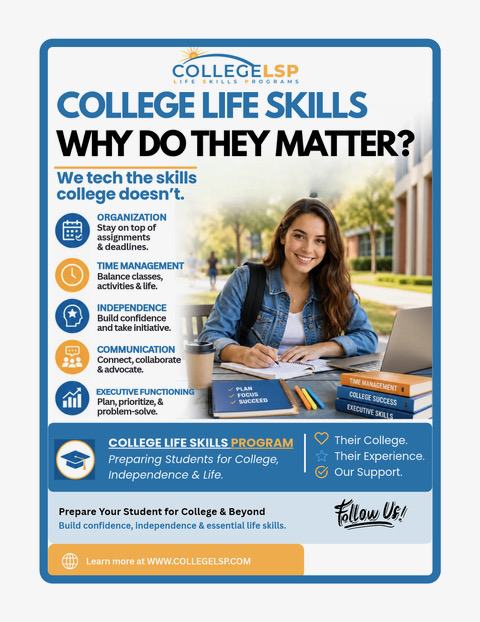
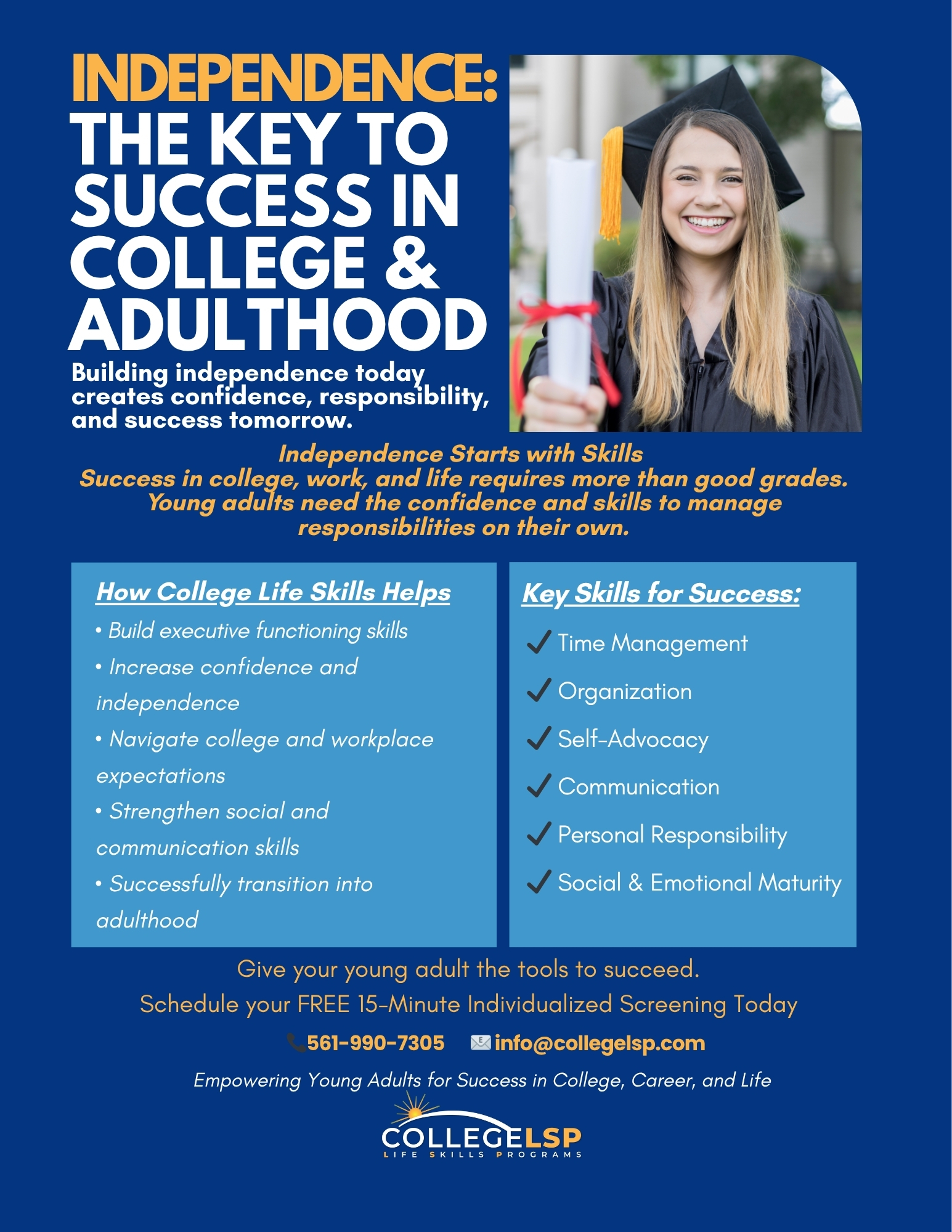
With deficits in social interactions, it may be hard for your young adult to ask for help or accommodations, speak with professors, initiate and maintain friendships, find someone to enjoy meals and outings with, avoid playing video games excessively and join social events. Here at the College Life Skills Program, our master and doctoral level coaches offer one-on-one sessions that focus on acquiring these essential skills. Our social skills coaching will help your young adult to identify social cues (verbal and non-verbal, gestural), to determine how others feel, learn appropriate ways to engage in conversation with peers and professors, develop positive self-talk and self-regulation skills, conflict resolution, self-advocacy skills, social awareness, taking other perspectives and much more. “Alone we can do so little; together we can do so much.” – Helen Keller
Dr. Eric J. Nach, Ph.D., M.Ed., A.S.D.C., is a Developmental and Behavioral Specialist who specializes in Autism, ADHD and related disorders. Dr. Nach is the founder of the College Life Skills Program where he and his team of professional’s help develop the Emotional Maturity, Executive Functioning, Life Skill and Social Abilities of college students and those high school students preparing for college. The CollegeLSP is a subsidiary program of the Support For Students Growth Center, located in Boca Raton, FL and providing services nationwide.
Bisma Anwar, L. M. H. C. (2022, February 2). How to handle social anxiety in college. Talkspace. Retrieved July 17, 2022, from https://www.talkspace.com/blog/social-anxiety-in-college/
Rosen, A. (2021, January 31). How social anxiety impacts higher education and career choices. National Social Anxiety Center. Retrieved July 17, 2022, from https://nationalsocialanxietycenter.com/2018/07/14/social-anxiety-impacts-higher-education-career-choices/