Although we are not born with them, social skills are typically learned subconsciously as we grow older. Socializing with our peers allows behavior such as joining in on conversations, reading facial and body language, making and nurturing friendships, and having mature conflict resolution skills become easier to understand and do. However, for those with life challenges such as ADHD, Autism, “Asperger’s,” and Communication Disorders, behaviors like the ones listed above may not come to some of our young people naturally. We identify the development of socially appropriate behaviors as part of the “hidden curriculum”, those social ways kids typically learn as a part of human development how to interact with peers and others. Instead, they need to be taught how to execute these skills that most of their peers do automatically. By the time young adults’ complete high school, they should have developed the proper skill sets that empowers them to socialize in a way that helps them succeed socially, in all areas of their lives, including the work arena and in academic settings before, during, and after college.
The ability to “read” others and being able to join into conversations is usually the first step when socializing. Being able to put yourself in a situation where others are talking or are willing to be the first one to begin talking, may be stressful. Being unsure of how the other person will react to what we say or do, is enough to make some individuals avoid socializing. They could be willing to strike up a conversation and spark a friendship, but may just not know how, which is why along with joining in conversations, body language is important to understand as well. Knowing if your peer is feeling closed off and unwilling to interact versus being just shy and nervous can be a good indicator of whether you want to join into or initiate a conversation with them. Understanding body language also allows young adults to be aware of how their peer is feeling during the conversation, which in return helps them make and nurture friendships. In other words, as another source states, “Imagine trying to make friends when you have trouble reading social cues, like body language, facial expressions, and tones of voice. That’s part of the reason approximately 52 percent of kids with (socialization deficits) don’t have many friends at school.” (Marcus Autism Center, n.d.). Being unable to dictate what others around us are thinking by the body language they are portraying can cause issues for young adults when attempting to socialize. They may feel as if they are at risk of rejection, but that is a part of life. Everyone experiences it one time or another, whether it be romantically, job, and/or friend-wise, but what is important is avoiding potential conflicts that may follow, as well as not letting it deter you from socializing in the future. A source states, “Most teens and adults with (socialization deficits) fear rejection and will do what they can to avoid it at all costs. So, when conflict arises, it can be extremely upsetting because it triggers feelings of rejection and shame.” (Oswald, 2021). Having someone become confrontational with you can be stressful. Not everyone handles it well, however having the proper skills to handle it is crucial to socializing. In a job setting, you are constantly resolving conflict, whether it be for your job or between a co-worker you must see every day, even if you may not like them. Liking them or not however, you still must interact and socialize in a proper manner, much like with friendships. As young adults are in college, they are trying to find themselves. Everything feels like it is changing, and that is because it is, so at times we ourselves, or our peers, can be a bit on edge, which is why skills like the ones listed above are so important. For example, being able to identify that our peers may be upset by their body and facial language is the first step we take before initiating a conversation where we may try and aid them in their sensitive state. From there, they can become short-tempered, even though they may require your support, which is why being able to have calm and well-developed conflict resolution skills is so important. Being able to ensure you are there for them even if they may be acting rash or harsh allows the relationship you two share to deepen and become closer and more supportive, therefore allowing them to treat you with the same compassion in times of need. When listed together, all these skills sound important, and that’s because they are, which is why if your young adult is lacking in their development of the “hidden curriculum” skills set, the College Life Skills Program can aid in learning them.
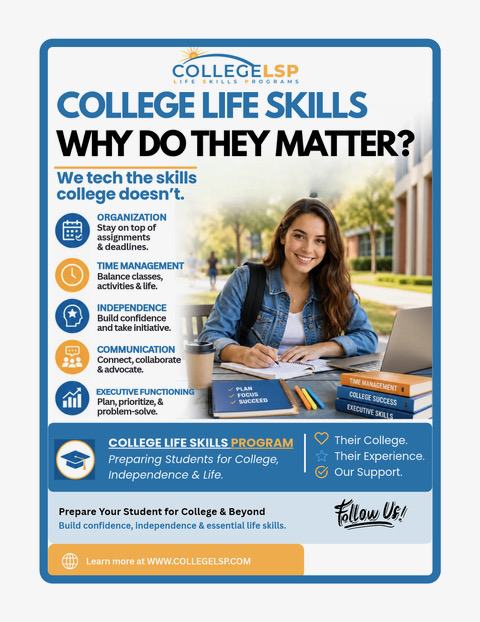
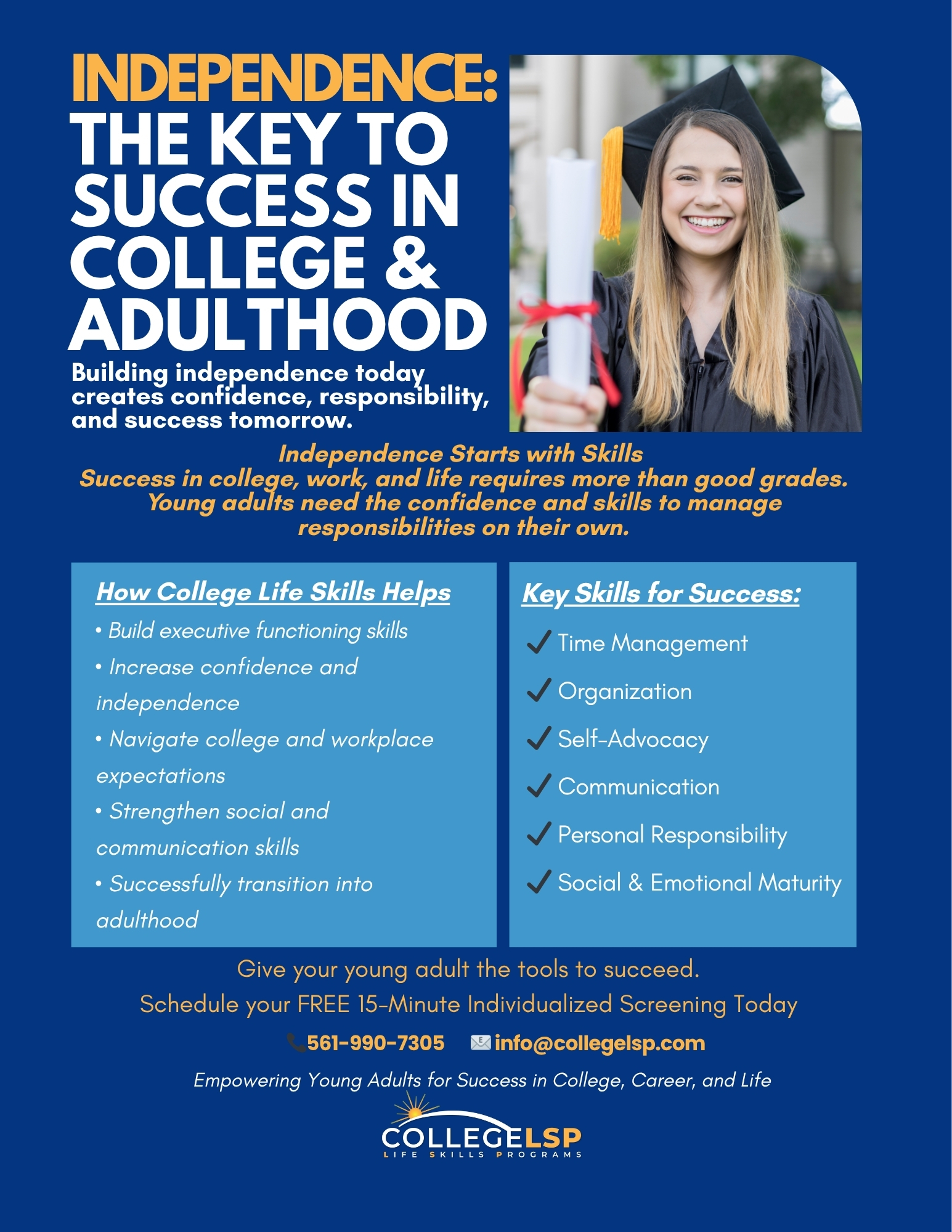
The College Life Skills Program consists a team of Master’s and Doctoral level, highly skilled, professionals who adapt our program to the individualized needs of your young adult to help them develop these life skills they may not have fully developed yet. Specifically, our team will focus on those who are young adults that are college bound, in college, and even after college to ensure they succeed socially in both the academic and real world. Making sure your young adult flourishes socially in all settings is of utmost importance to us and is why we have developed this program to help teach them the skills to become well-rounded independent adults, before, during and after college.
Dr. Eric J. Nach, Ph.D., M.Ed., A.S.D.C., is a Developmental and Behavioral Specialist who specializes in Autism, ADHD and related disorders. Dr. Nach is the founder of the College Life Skills Program where he and his team of professional’s help develop the Emotional Maturity, Executive Functioning, Life Skill and Social Abilities of college students and those high school students preparing for college. The CollegeLSP is a subsidiary program of the Support For Students Growth Center, located in Boca Raton, FL and providing services nationwide.
Helping kids with autism make friends. Marcus Autism Center. (n.d.). Retrieved August 18, 2022, from https://www.marcus.org/autism-resources/autism-tips-and-resources/helping-kids-with-autism-make-friends
Oswald, D. T. (2021, March 25). Dealing with conflict on the autism spectrum. Tasha Oswald. Retrieved August 19, 2022, from https://opendoorstherapy.com/dealing-with-conflict-on-the-autism-spectrum/