Home sweet home.
For one young man, finally coming home from college was something he was looking forward to. Although he did well while away, he, like many other students, missed his family, but he also missed how his parents helped him with his daily tasks. Being home meant his mother did his laundry, his father cooked his meals, and both made sure he cleaned his room and got the other little things he needed to do in his day done, just like they did while he was in high school. As the weeks went on, the young man began relying heavily on his parents to complete tasks again. He wouldn’t wash his dishes, pick up after himself, or even make sure he got to his own appointments, all of which set him back. At college, the young man had learned how to take care of himself independently, but now that he was home, he fell back into his old habits.
This cycle then made it hard for the young man to want to leave again. After seeing how much work he had to do himself while at college compared to at home made him realize that he liked it better not having to do anything himself. Instead, he liked having his parents, who have their own jobs and lives, to do it for him, and after telling them he didn’t want to go back, they made him anyway. Yet, after only a month their son expressed the want to drop out again. He explained that the transition back into independent life was too hard, and it was taking a toll on both his mental and physical health as well as academic performance, leading his parents to realize that not having their son practice independence over the summer took a larger toll than they had initially expected. He was now reliant on them for everything, didn’t have the motivation to redevelop adult-level independence, and was at risk of staying with them for many years to come, so they had no other choice but to find a way to help their son.
It is important for a young adult to be able to practice their independence, because if not, “…the long-term effects of overparenting can contribute to creating an adult who is more prone to anxiety and depression…” (Carrera, 2019). Not succeeding in independent life because a young adult is unable to maintain it in an environment where other people are willing to aid them can cause them to rely heavily on that other person. This habit may then make it hard for them to live well with roommates, maintain friendships and relationships, and even flourish in independent life since they may develop an unhealthy dependence on their peers as well, not just their parents.
One source explains how “Independent people learn how to stand on their own two feet under circumstances they have had to face before.” (Gozon, 2017). If a young adult is not only independent but continues to practice it when home, they can learn how to maintain their life in many situations, not just college, which can help them in the future. Since some college students live at home with their parents after graduating, or sometimes just move closer to them, they can get a sense of how to remain independent even before they graduate. If they are constantly still practicing independence when home during vacations, they not only maintain their skills but strengthen their ability to not fall back into old habits, especially after graduation. Since being home after finishing their education is a much longer time span than vacations, it is important that their ability to manage their life on their own is still strong, since if not, they may find it hard to move out, maintain a job, build and keep relationships, and so much more, which is why practicing independence even when at home is such an important part of being a young adult.
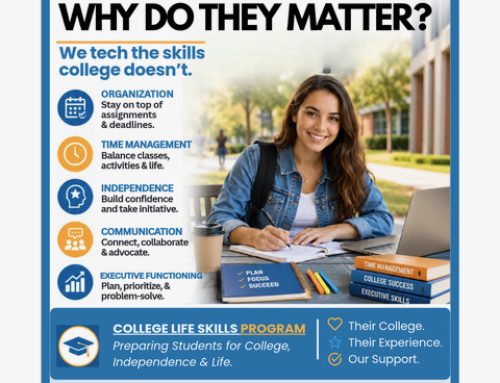
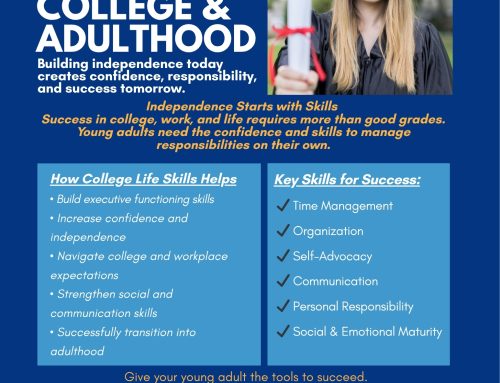
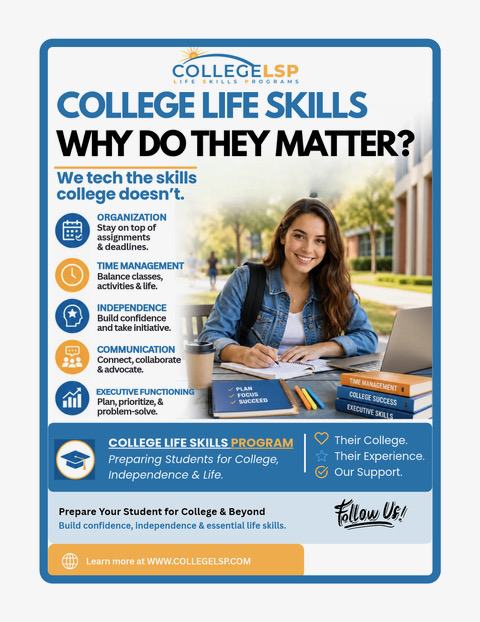
At the College Life Skills Program, our team of Doctoral and Master level professionals utilizes a series of strategies, services, and techniques to help young adults who are college bound, in college, and even after college succeed in and after their transition into independent life. We help teach them life skills such as maintaining independence when at home so they can be successful in the work world and in life as well as help them learn how to balance independent life on their own, and other executive functioning skills, social skills, and emotional maturity. If your young adult is struggling with life skills, such as being able to remain independent in the summer or the transition into adulthood, CollegeLSP has the tools to aid them in achieving such skills.
Dr. Eric J. Nach, Ph.D., M.Ed., A.S.D.C., is a Developmental and Behavioral Specialist who specializes in Autism, ADHD and related disorders. Dr. Nach is the founder of the College Life Skills Program where he and his team of professional’s help develop the Emotional Maturity, Executive Functioning, Life Skill and Social Abilities of college students and those high school students preparing for college. The CollegeLSP is a subsidiary program of the Support For Students Growth Center, located in Boca Raton, FL and providing services nationwide.
Carrera, C. (2019, September 23). Bulldozer parents: Stop overparenting college students. it can do more harm than good. North Jersey Media Group. https://www.northjersey.com/story/news/education/2019/09/19/overparenting-college-students-can-have-long-term-mental-health-effect/1899995001/
Gozon, L. (2017, March 23). College and Independence. The Skyline View. https://www.theskylineview.com/opinions/2017/03/23/college-is-the-pivotal-point-in-life-where-students-learn-how-to-be-independent/