The first semester of college is often an eventful one. Between figuring out how to do things independently, transitioning into a new environment, living with new people, and more, all while deciding what you want to do for the rest of your life can be stressful. So stressful in fact that when they return home for Thanksgiving break, young adults may not want to go back at all.
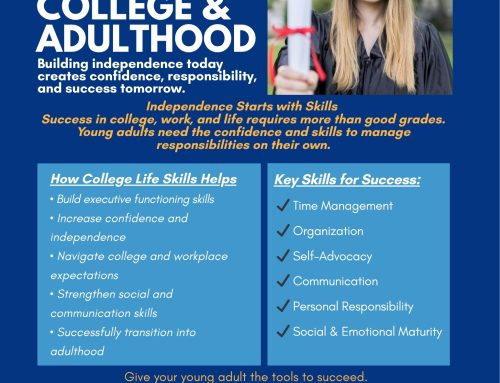
While they may be doing well academically, adult level success is not just measured by a test grade. Rather, being successful often also requires skills such as executive functioning, social, emotional, and overall independent life skills. This is why it is important to be able to identify when students may be struggling, and in what areas, that way they can get the support they need before they do things such as drop out or quit their jobs.
Here are five things to look for when seeing if your young adult may be struggling with independent, executive functioning skills, or adjusting to overall adult/college life.
- Are they just getting good grades? Or are they also doing well?
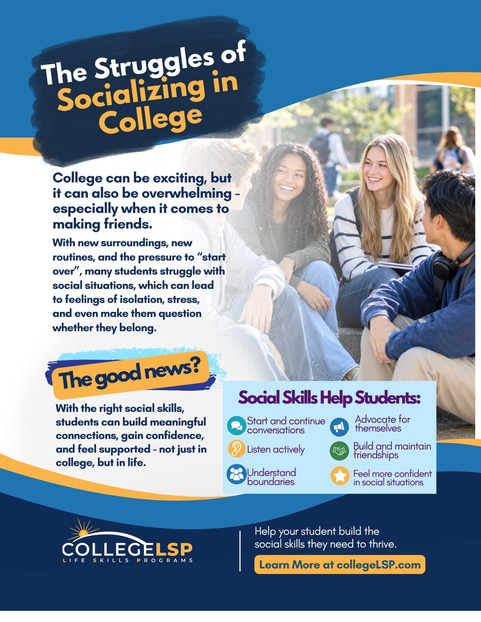
Although young adults may be excelling in the academics’ department, it doesn’t mean that they are doing well in general. They may be overwhelmed with how high the dishes have piled up while they focused on their studies or may feel alone as they are struggling with making friends.
- Have any of their normal habits changed?
When your child returned home, did you see any changes in their behavior? Not maintaining their personal hygiene, changes in their sleep schedule, lack of motivation, experiencing minimal (if any) social interactions, and/or difficulty regulating emotions are all things that can spark concern and warrant a supportive conversation.
- Are they clearly struggling but not asking for help?
Asking parents for help, especially when they are supposed to be trying to do things on their own can bring embarrassment and discomfort for some young adults. This feeling can then cause them to avoid help all together. They may not want to admit they do not know how to access campus resources, be open with friends, or even know what they need help with in general, making it difficult for them to seek help, especially if they feel as if they do not have a support system.
- How can parents try to have a productive conversation without creating issues?
When discussing things with them, try to ask questions that will make them feel that talking will be productive for them. Encourage them to be open and honest, so they are feeling supported, and willing to reflect and problem-solve rather than interrogated. Bringing in outside support can also be very beneficial, especially since it can add an extra element of independence and privacy for them.
- Do they need extra support?
As the Thanksgiving and winter breaks are in session, use it as an opportunity for them to reset and gain their footing. Instead of waiting to fix things when the spring semester comes around, get ahead by helping them develop the skills they need to not only feel confident in their ability to return, but excel when doing so.
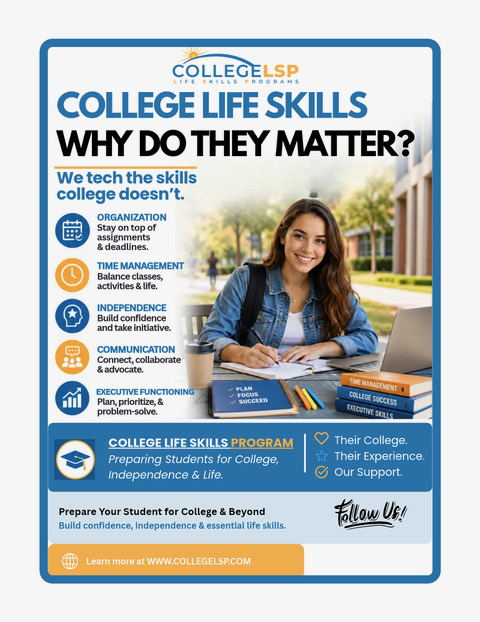
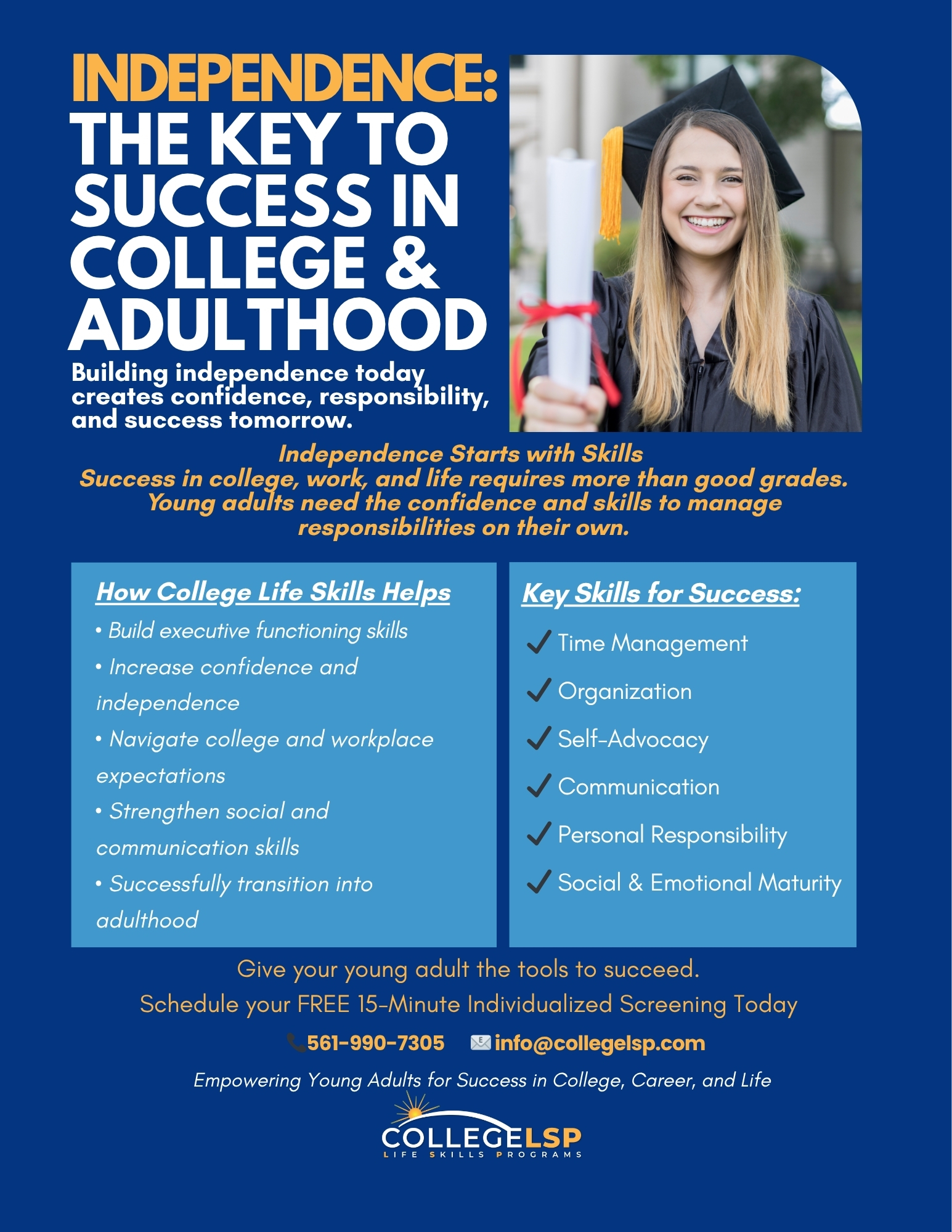
At the College Life Skills Program (CLSP), we help students and young adults develop the skills they need to succeed in college, become more independent, and prepare for life beyond the classroom.
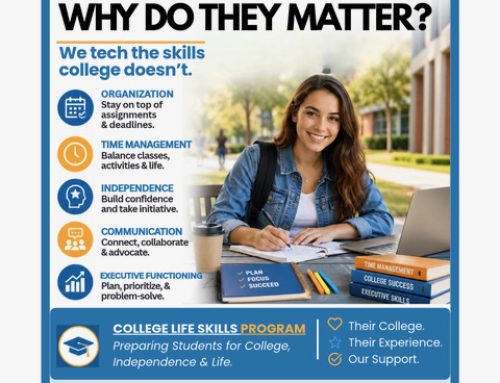
CLSP is not a residential program. Our students attend the colleges, universities, or educational programs of their choice while receiving individualized coaching and support from our experienced professionals, typically for one to two hours per week, either in person or virtually. Our coaching goes beyond academics. We help students strengthen their executive functioning, build and maintain relationships, advocate for themselves, manage personal responsibilities and hygiene, stay organized, and develop the confidence to navigate everyday challenges.
Our goal is not to do things for students, but to help them develop the skills and confidence to do more for themselves. We provide practical, real-world support that helps students become more successful, responsible, and independent—before, during, and after college.
Our team of Doctoral and Master level professionals utilizes a series of highly individualized strategies, services, and techniques to help young adults who are college bound, in college, and even after college succeed in and after their transition into adult life. We help teach them skills they need to be independent so they can be successful in the real and work world, help them learn how to balance independent life on their own, and other life, executive functioning, social skills, and emotional maturity. If your young adult is struggling with the transition into college and adulthood, CollegeLSP has the tools to aid them in achieving and generalizing such skills.
Click here and call now to schedule your FREE 15-minute individualized screening.