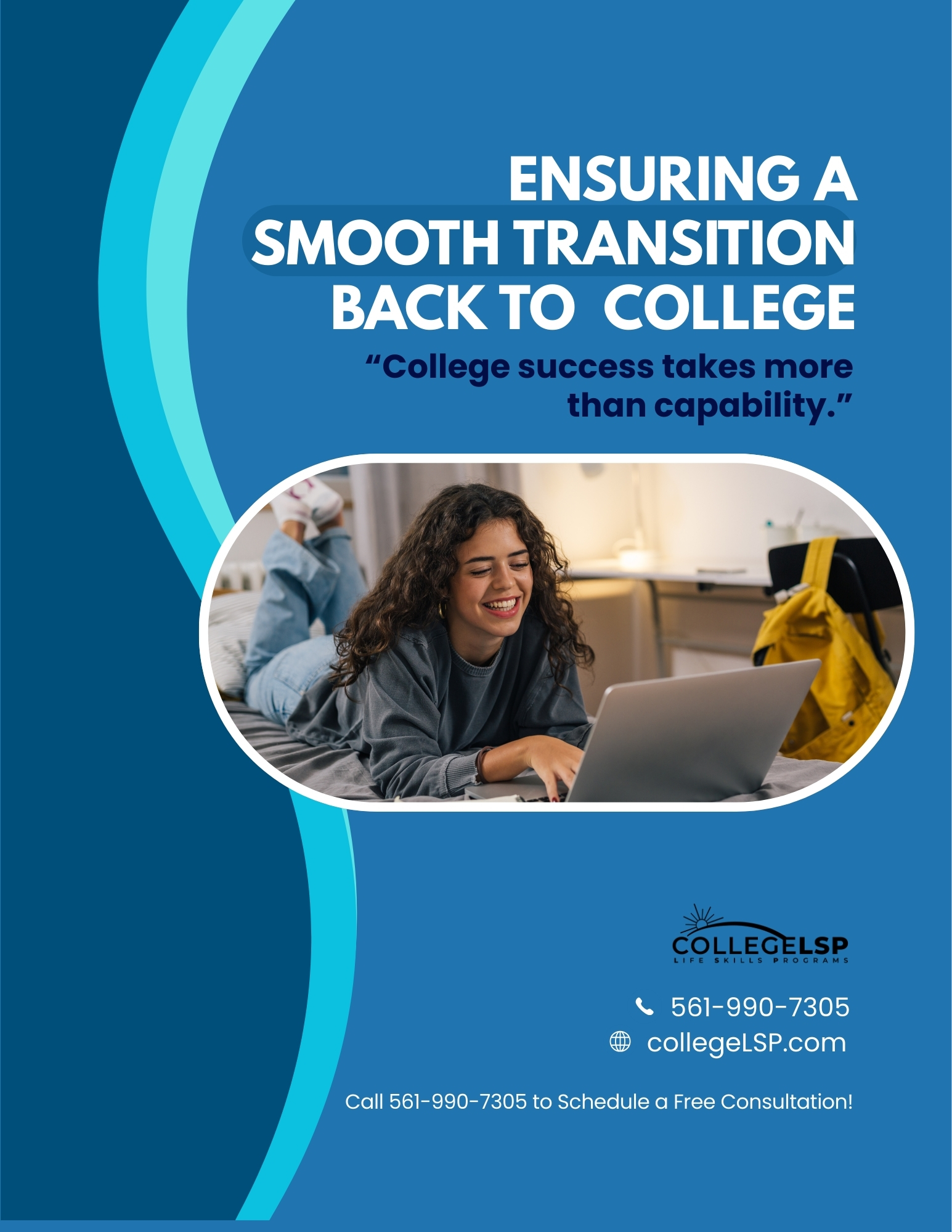
Nothing feels right…
For one young woman who is trying to socialize at college, she realizes this may be harder than she initially thought. Agreeing to go to campus events to her was easy, but building up the confidence to go out and socialize was the hard part for her. She was constantly going back and forth on what outfit she wanted to wear, if she was appearing approachable enough, and if she felt her social skills had become strong enough for her to actually attend and participate at the events. Yet, as she is consistently doing these things, she looses track and time ticks by, and by the time she is ready to leave, the event is already over.
As the semester continues on, she consistently does this repeatedly, so she decides to try and make friends in class instead. However, every time she tries to turn around and start a conversation with someone, she backs out. She feels as if her ability to talk with someone she does not really know already, isn’t strong enough, or she worries about if they will judge her for what she is wearing, how she speaks, or any other aspect of her personality since in college, everyone is different, so she feels as if she doesn’t quite fit in. These feelings are not new for her, as she struggled with social challenges all her life. To her surprise, even though she has taken many actions over the years to enhance her social skills, the college environment is entirely different and is going to take same additional work. Yet, instead of realizing that other people also feel this way because they are from all around America and even other countries, she thinks it is only her going through this. This then takes a toll on her self-confidence, anxiety and motivation. The young woman feels as if no matter what she will do, no one will want to be her friend because she is different, when in reality, it is her own mind holding her back from being successful in college.
This then causes the young woman to view college as an unhappy place that makes her confidence low and anxiety sky high, so she debates dropping out, worrying her parents who are spending a lot of money on her education. As time goes on, her parents encourage her to try again, but they still worry that she will still want to drop out because of her lack of college level skills and her poor confidence. Without it, she refuses to go to events, speak to her peers, and even leave her dorm, making her parents realize that this takes a bigger toll on her new independent adult life than they initially expected.
Not having confidence can not only lead to social isolation and a host of other problems as well such as depression and anxiety. According to a study done on college students, “anxiety is the top presenting concern at 41.6%.” (APA, 2013). Being plagued by anxiety in a place that is supposed to be fun, and experiential can make college a negative and downright scary place for young adults rather than a positive one. Lacking confidence may mean that they are too nervous to go to class because of what they are wearing, won’t go to events because they struggle to put themselves out there, and may even affect their ability to move into the work world. Another source explains how “Low self-esteem or lack of confidence leaves students doubting their ability to succeed, making them hesitant to engage in learning or take appropriate academic growth risks.” (APA, n.d.). Feeling as if they are not ready to experience the professional, college, or young adult world can hinder them from pursuing it, therefore spiraling them into “Failure to Launch.” Despite that, becoming equipped with the right social and executive functioning skills can ease the anxiety that follows and provide young adults with the confidence they feel they need to succeed.
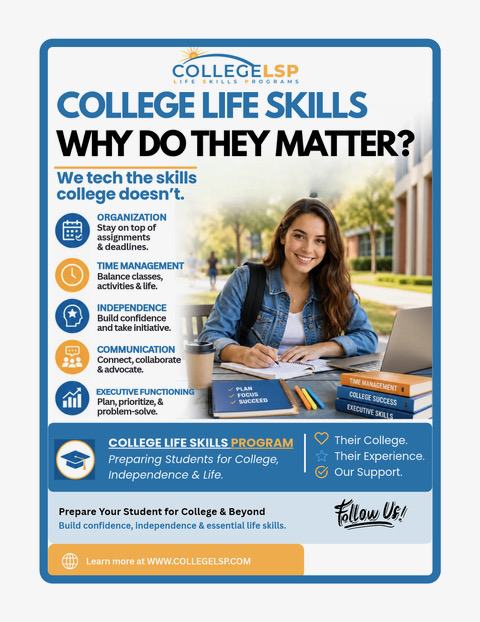
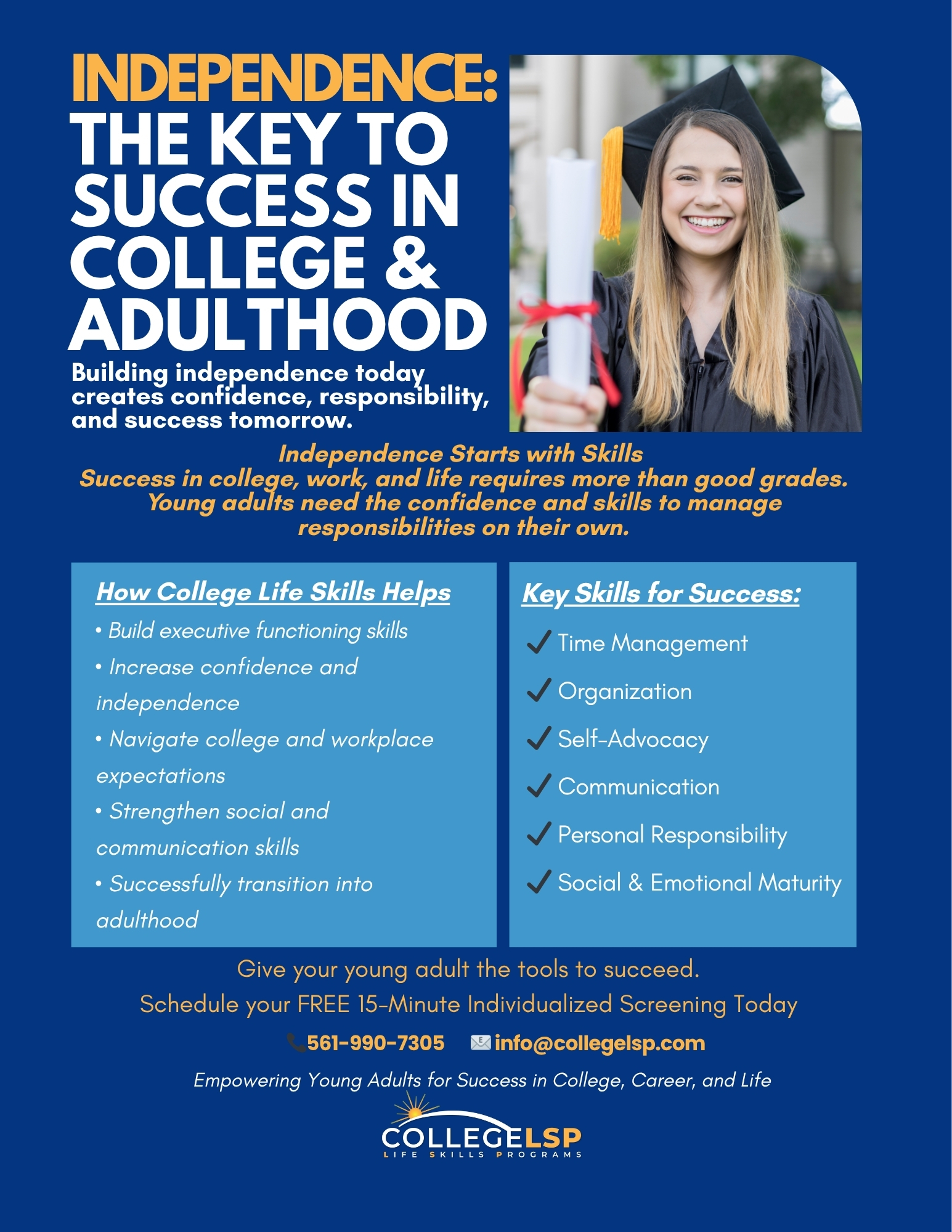
At the College Life Skills Program, our team of Doctoral and Master level professionals utilizes a series of strategies, services and techniques to help young adults who are college bound, in college, and even after college succeed in and after their transition into independent life. We help teach them life skills such as having confidence in the work world and in life to help them learn how to balance independent life on their own, as well as executive functioning skills, social skills, and development of emotional maturity. If your young adult is struggling with life skills, such as being able to remain confident in certain situations or the transition into adulthood, CollegeLSP has the tools to aid them in achieving such skills.
Dr. Eric J. Nach, Ph.D., M.Ed., A.S.D.C., is a Developmental and Behavioral Specialist who specializes in Autism, ADHD and related disorders. Dr. Nach is the founder of the College Life Skills Program where he and his team of professional’s help develop the Emotional Maturity, Executive Functioning, Life Skill and Social Abilities of college students and those high school students preparing for college. The CollegeLSP is a subsidiary program of the Support For Students Growth Center, located in Boca Raton, FL and providing services nationwide.
American Psychological Association. (2013, June). College students’ mental health is a growing concern, survey finds. Monitor on Psychology. Retrieved June 26, 2022, from https://www.apa.org/monitor/2013/06/college-students#:~:text=Anxiety%20is%20the%20top%20presenting,relationship%20problems%20(35.8%20percent).
American Psychological Association. (n.d.). Students experiencing low self-esteem or low perceptions of competence. American Psychological Association. https://www.apa.org/ed/schools/primer/self-esteem#:~:text=Low%20self%2Desteem%20or%20lack,take%20appropriate%20academic%20growth%20risks.