I wish I would’ve done something sooner…
Mrs. Smith, much like many other mothers, is very busy. She’s always taking her kids to sports proactive, helping them with homework, making sure they are prepared for the day, and every other thing that comes with motherhood. When it came to her oldest son, Mike, as the summer before he went to college came around, she would often have him help out with her to try and teach him life skills he seemed to have trouble with.
Having him there while she worked on her planner, did laundry, started and moved on from tasks, and more was enough, or so she thought. After her son went off to college, she realized that wasn’t enough. When he was supposed to be learning how she did things, he wasn’t paying attention, and as time went on, she realized it was because what may have worked for her, didn’t work for her son.
After a few weeks went by during the semester, she hoped he would learn how to adapt, but after expressing he wanted to drop out due to all the stress of independent life, Mrs. Smith realized she should’ve been more proactive in getting her son help. Although this was stressful, she didn’t give up either. Instead, she reached out to the College Life Skills Program for help.
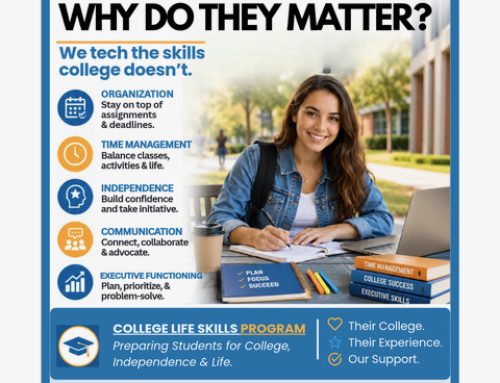
There, her son met with a coach weekly to try and avoid having him drop out because of his underdeveloped life skills. Mike learned different strategies such as utilizing planner system that worked for him, as well as a budgeting book, chore chart, and timers to help him gain control of his life. With these skills and a level of accountability, he was able to feel confident enough to not only go back to college but succeed when doing so.
Being proactive is a way to help those who may need extra support not only be prepared for life but feel confident in their ability to navigate it. By exposing children, teens, and young adults early to areas they may be weaker in helps them identify when and how they need help, as well as how to get it or help themselves. However, being proactive doesn’t only start when they are children. While it may seem that maybe help should’ve started sooner, it doesn’t mean they cannot be helped now.
Being reactive, for example, means you have already sent your child off to college and they are having a hard time making friends, failing their classes, and/or wanting to drop out, etc. Now, you are trying to get them help because of this panic that is now setting in. The fear of not only wasting the time and effort that went into getting them into college, but them not succeeding to their fullest potential can cause parents to become stressed themselves. However, if parents are proactive, then the child will go to college feeling as if they have it handled. They already learned how to manage their workload, social and personal life, and can do it on their own, and even if that first year has already passed, they can still take that step, and the College Life Skills Program can help them do it.
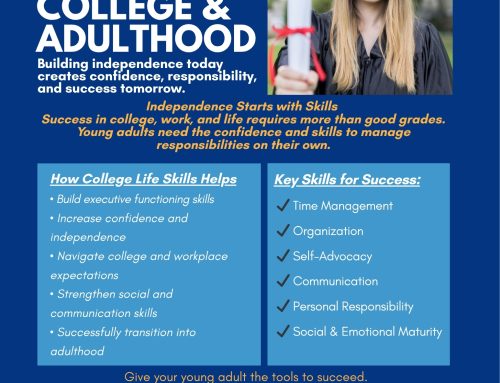
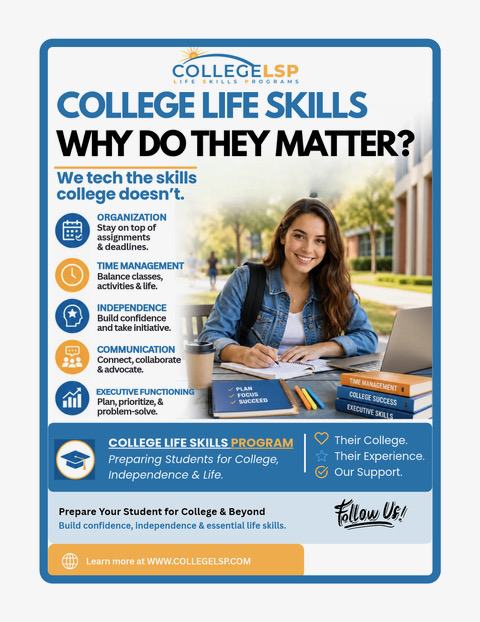
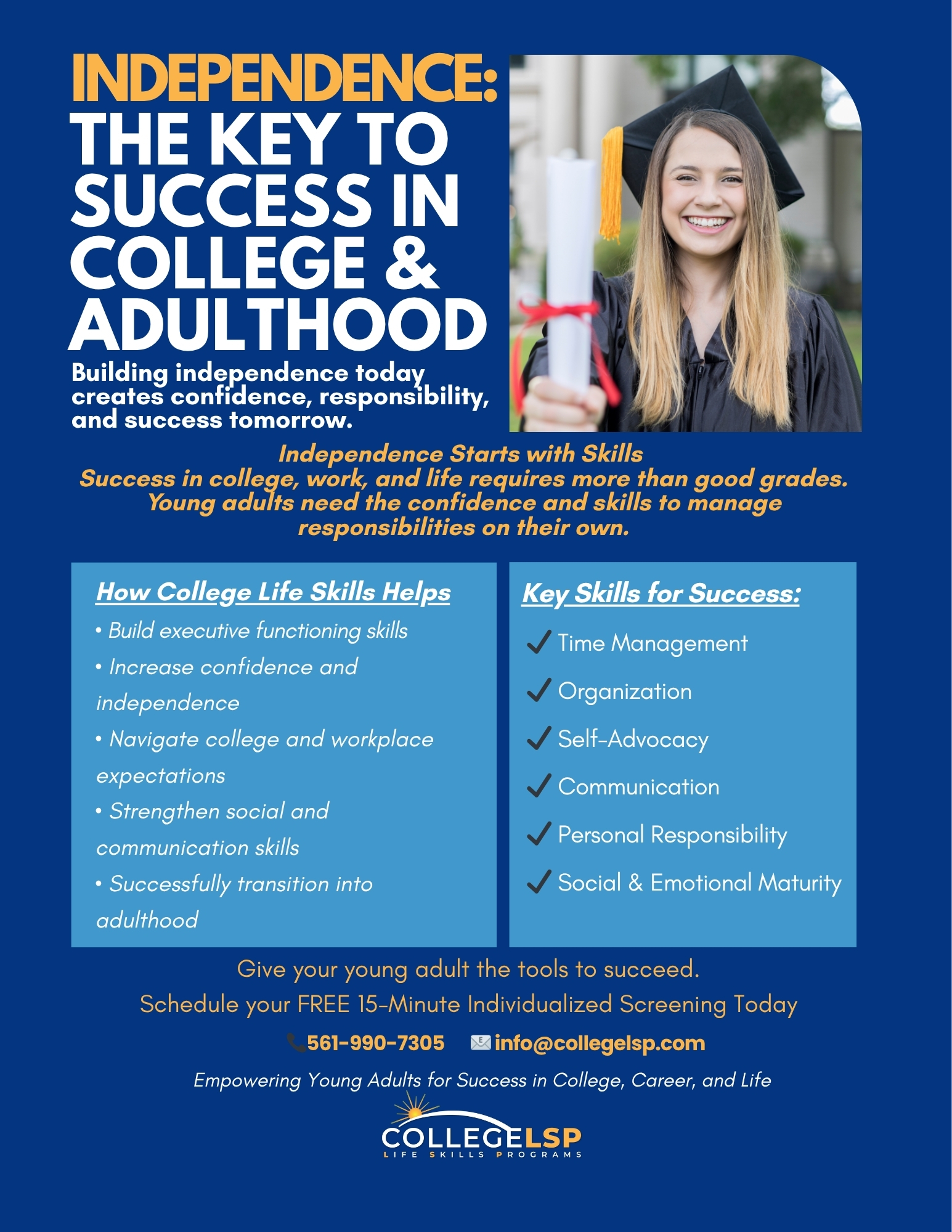
At the College Life Skills Program, our team of Doctoral and Master level professionals utilizes a series of highly individualized strategies, services, and techniques to help young adults who are still living at home as high school juniors or seniors and are college bound, already in the college they chose, and even after college succeed in and after their transition into adult life. We help teach them skill they will need so they can be successful in the work and social world and in life as well as help them learn how to balance independent life on their own, and other life skills, social skills, and emotional maturity. If you or your young adult is struggling with being proactive in gaining these skills or the transition into college and adulthood, CollegeLSP has the tools to aid them in achieving and generalizing such skills.
Click here and call now to schedule your FREE 20-minute individualized screening.
Dr. Eric J. Nach, Ph.D., M.Ed., A.S.D.C., is a Developmental and Behavioral Specialist who specializes in Autism, ADHD and related disorders. Dr. Nach is the founder of the College Life Skills Program where he and his team of professional’s help develop the Emotional Maturity, Executive Functioning, Life Skill and Social Abilities of college students and those high school students preparing for college. The CollegeLSP is a subsidiary program of the Support For Students Growth Center, located in Boca Raton, FL and providing services nationwide