It’s just easier when I do it…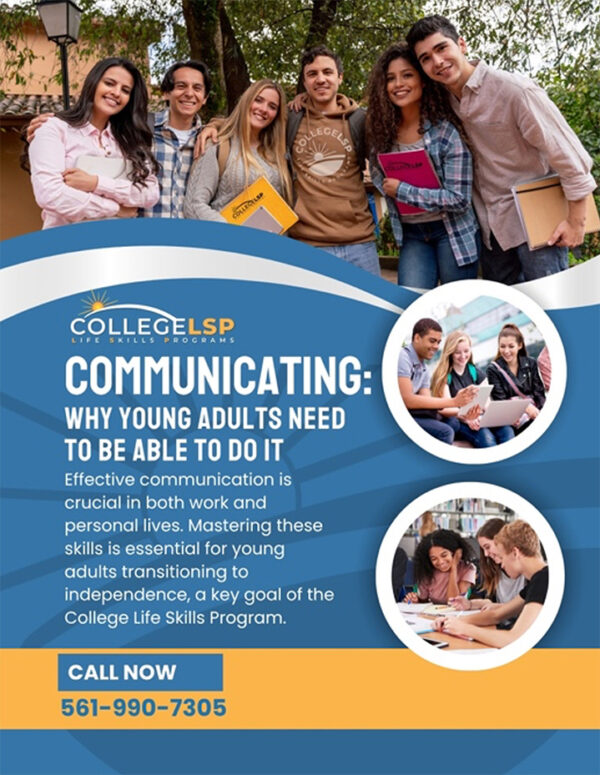
For Bobby, starting his job was definitely not what he expected. While it was the exact type of job he wanted, after starting, he realized that it was not just his job, but a lot of people’s job. Instead of getting to work alone, clock out, and go home, he had to constantly interact with his peers. Checking over work, making sure their part and his was done, talking about ideas, etc., were all things he was supposed to do on a daily basis, but didn’t.
The thought of having to contently express his ideas, ask other people questions, double check things with people, and just communicate all together stressed Bobby out. He felt as if it would be easier to do all on his own, so he began avoiding these conversations. Every time he saw someone at his desk, which he hated, he would turn around and go to the bathroom. As this continued, his parts of projects were missing, unfinished, or done incorrectly, because he never communicated with his coworkers or his boss about any of his work, or his feelings about how they communicated these things. This then led him to be called to his boss’s office where they threatened to fire him if he didn’t fix this issue. Worried about losing his job, Bobby and his parents reached out to the College Life Skills Program for help.
There, he met with a coach weekly so he could try and strengthen his communication skills by learning and applying strategies such as expressing his concerns. He also learned how to find a solution to these issues, such as saying “we can meet, but not at my desk, maybe a conference room instead.” As he received this coaching, with a level of accountability, his ability to communicate on his own became easier while at his new job, preventing him from being fired.
Communication skills are important because we use them every day. Whether it is to ask a question, reach out to make a new friend, or even just wave at someone, we communicate with people all the time. We also do so both verbally and non-verbally (body language, facial expressions, etc.), so knowing how to do so effectively can help young adults smoothly transition into independent life. Expressing unhappiness about chores to your roommate, discussing plans for a project, asking for help, talking and having a good time with friends, opening up about problems, and so much more are all ways we can effectively communicate. However, if young adults do not have proper communication skills, it can set them back.
School, work, and friendships can all be hindered by poor communication skills. If young adults cannot express to their professor when they are having troubles, need more time, or even speak to them much at all, their academics can suffer from it. Falling behind, staying up late to finish assignments that could’ve been pushed back if communicated properly, and not making connections are all ways undeveloped communication skills can affect them in college. Being able to connect with professors and likeminded peers is a good way to start building your career, especially if letters of recommendations are needed for jobs or further schooling, so it is important that they can do so.
Much like school, work requires communication as well. Jobs often have group projects, which require strong communication to ensure you not only get the job done, but smoothly and on time. It also prevents arguments, miscommunication, and setbacks. According to Forbes, people are hiring employees that have strong skills, and although they “rank higher in dependability, strong work ethic and reliability, graduates rank lower in adaptability and embracing new ideas, [and] rank lower in communication, collaboration, strategic and critical thinking, building relationships,” (Robinson, 2024). While they are important for more responsible things like school and work, being able to communicate with friends is important as well. It is not only how we make friends but keep them. Talking about our feelings, our thoughts, and our overall life with friends can not only help us feel better but get advice on how to handle things that may be causing us stress. Also being able to communicate when you are not in the mood to socialize, or if something bothers you allows for the relationship to be open and honest, while not lashing out every time you are upset. Overall, communication affects many aspects of our everyday life, and without them, it can quickly become difficult, especially when entering independent life, and we at the College Life Skills Program can help young adults have those skills.
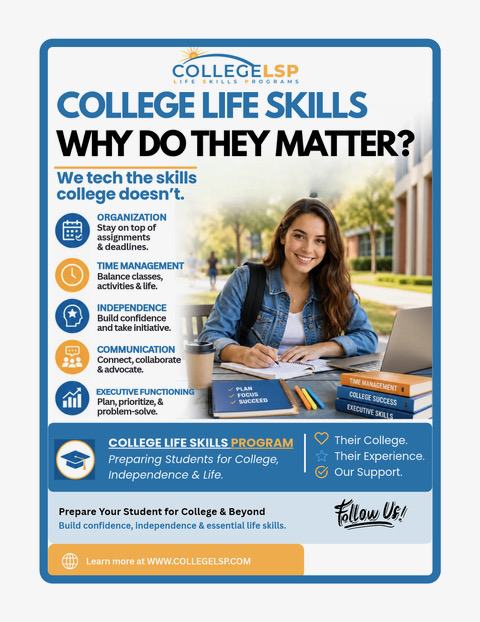
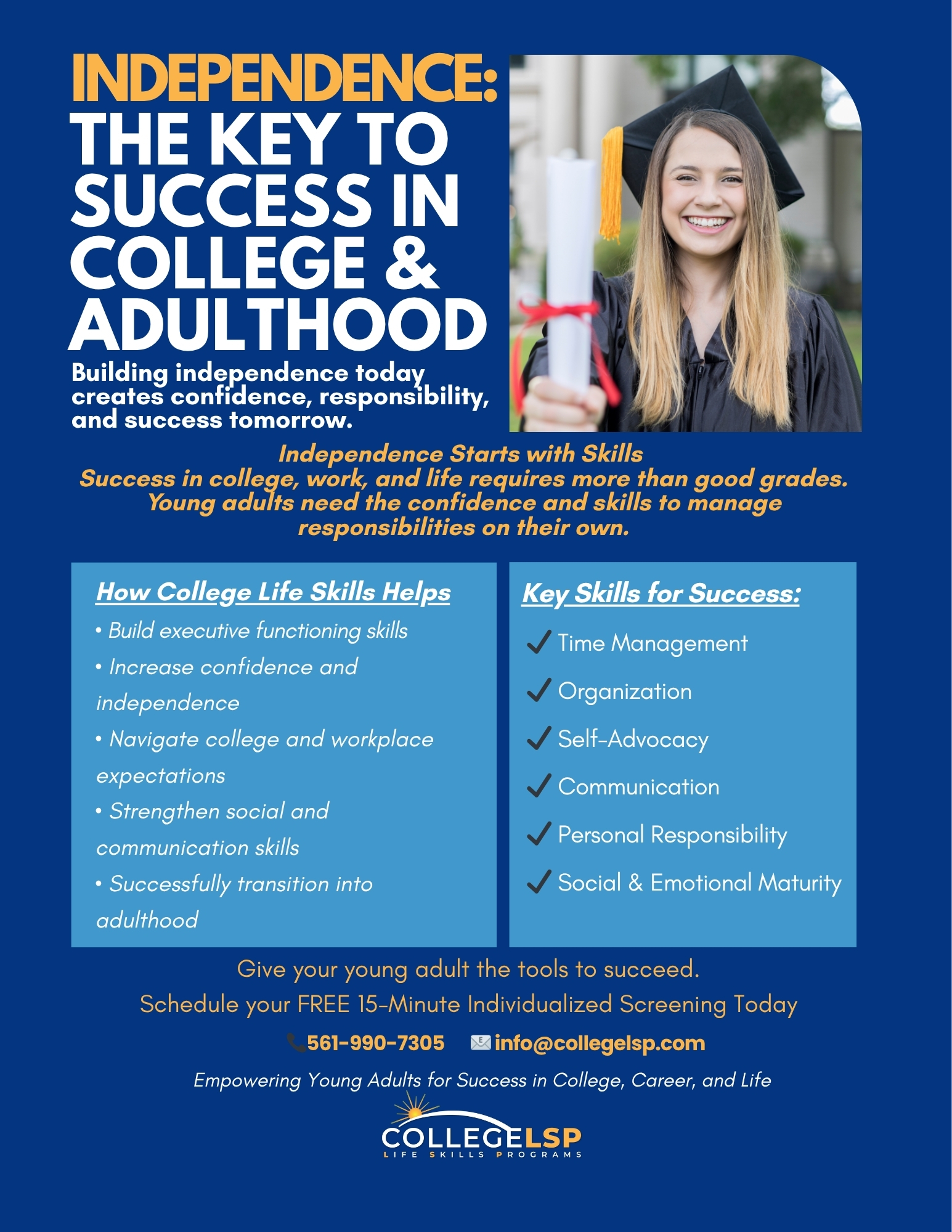
At the College Life Skills Program, our team of Doctoral and Master level professionals utilizes a series of highly individualized strategies, services, and techniques to help young adults who are college bound, in college, and even after college succeed in and after their transition into adult life. We help teach them communication skills so they can be successful in the work world and in life as well as help them learn how to balance independent life on their own, and other life skills, executive functioning skills, and emotional maturity. If your young adult is struggling with executive skills or the transition into college and adulthood, CollegeLSP has the tools to aid them in achieving and generalizing such skills.
Click here and call now to schedule your FREE 20-minute individualized screening.
Dr. Eric J. Nach, Ph.D., M.Ed., A.S.D.C., is a Developmental and Behavioral Specialist who specializes in Autism, ADHD and related disorders. Dr. Nach is the founder of the College Life Skills Program where he and his team of professional’s help develop the Emotional Maturity, Executive Functioning, Life Skill and Social Abilities of college students and those high school students preparing for college. The CollegeLSP is a subsidiary program of the Support For Students Growth Center, located in Boca Raton, FL and providing services nationwide
Bryan Robinson, Ph. D. (2024, July 2). 2024 graduates lack skills in communication, collaboration and critical thinking, study finds. Forbes. https://www.forbes.com/sites/bryanrobinson/2024/06/17/2024-graduates-lack-skills-in-communication-collaboration-and-critical-thinking-study-finds/