I hate sharing a space!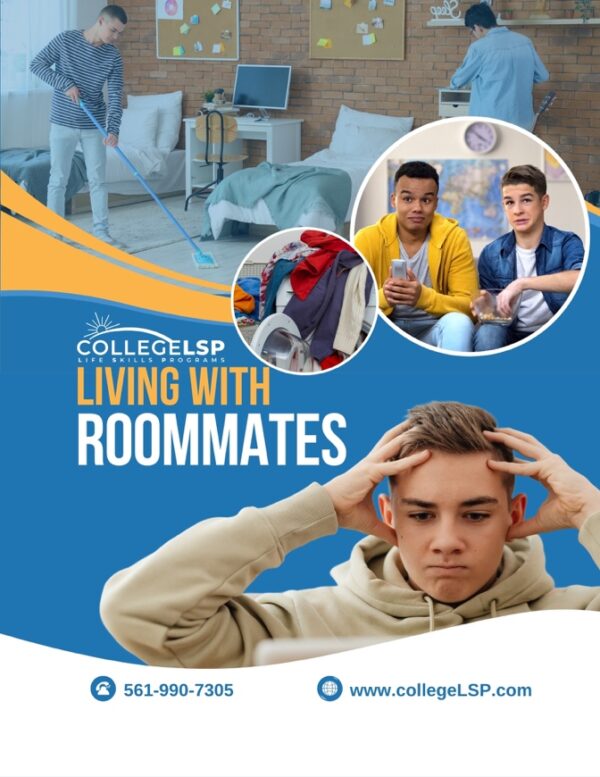
For Tommy, going from having his own room, bathroom, and overall space to having to share a small space and a bathroom with his roommate was stressful. He felt as if he never got to be alone, and when it was time to clean, he felt like it was never done properly because his roommate didn’t clean the same way he did. He also felt as if his roommate was too loud late at night, always playing his videos games. Even though Tommy did the same thing, he was unable to realize he too had faults, putting all the blame onto his roommate.
Instead of voicing these concerns Tommy let his rage build up and up, and as the stress of school added onto it, one day he just exploded. Tommy yelled at his roommate, throwing messy dishes around when he did to try and prove his point, but it only made things worse. After he was finished his roommate calmly got up and left, leaving Tommy to now clean up the huge mess he made, as well as realize his friendship with him is now very rocky. After coming back, his roommate just calmly ignored Tommy, not engaging in conversations and always denying to play video games with him because instead of being able to self-advocate and talk to his roommate calmly and appropriately so they can fix these issues, he had a meltdown, leading his roommate to not want to be around him anymore than he has to.
After this, Tommy realized he did want a roommate. He now felt lonely, especially as he saw all the others leaving their rooms, laughing and smiling together, and as a few weeks passed and nothing got better between them, Tommy told his mom he wanted to come home. This then led Tommys mom to reach out to the College Life Skills Program for help.
There, Tommy met with a coach weekly so he could try and strengthen his skills by learning and applying strategies such as expressing his concerns, making a detailed schedule they can both follow to help with chores, and even how to apologize and manage his reaction. As he received this coaching, with a level of accountability, Tommy was able to not only mend his friendship, but continue living with his roommate for the rest of the year in an environment they were both happy in.
When in college, living with roommates is typical. You can have anywhere from one to three, all sharing one space. One kitchen, one living room, and sometimes, even one bathroom. This can be a big change for some. Going from always having your own space to having to share one, especially with someone you’ve never had to do that with before, can be stressful. They may do things differently from you, have a different schedule, and have an overall home life you are not used to. This can then cause stress for some who like their space in a certain way. Seeing dishes cleaned in a way you wouldn’t do it, leaving items around the common areas, people not doing their chores, and more can all cause this space to feel stressful.
However, there is a right and a wrong way when dealing with these issues. Screaming, yelling, giving the silent treatment, excluding yourself all together, destroying things, etc., are all inappropriate ways to be handling issues with roommates as a young adult. Instead, being able to self-advocate to express your unhappiness with the living situation, being able to compromise, problem solve, emotionally regulate and discuss with your roommate the issues you are facing is the age-appropriate way to create an environment you are both happy in. If young adults are unable to do these things, it can cause issue between them and their roommate. Not wanting to be friends anymore, hang out, and even live together the next year are all outcomes that can happen, and if they are unable to manage and fix things, then it will happen again and again with other roommates as well. This then causes an uncomfortable living environment, both personally and physically for both people, which is why it is so important young adults develop the skills needed to live with a roommate before, during, and even after college.
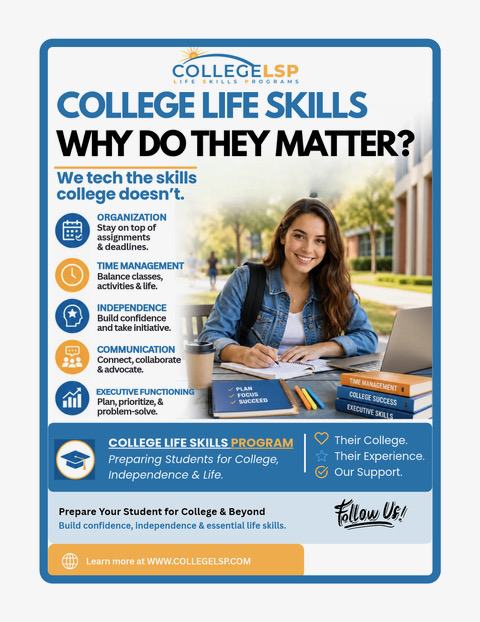
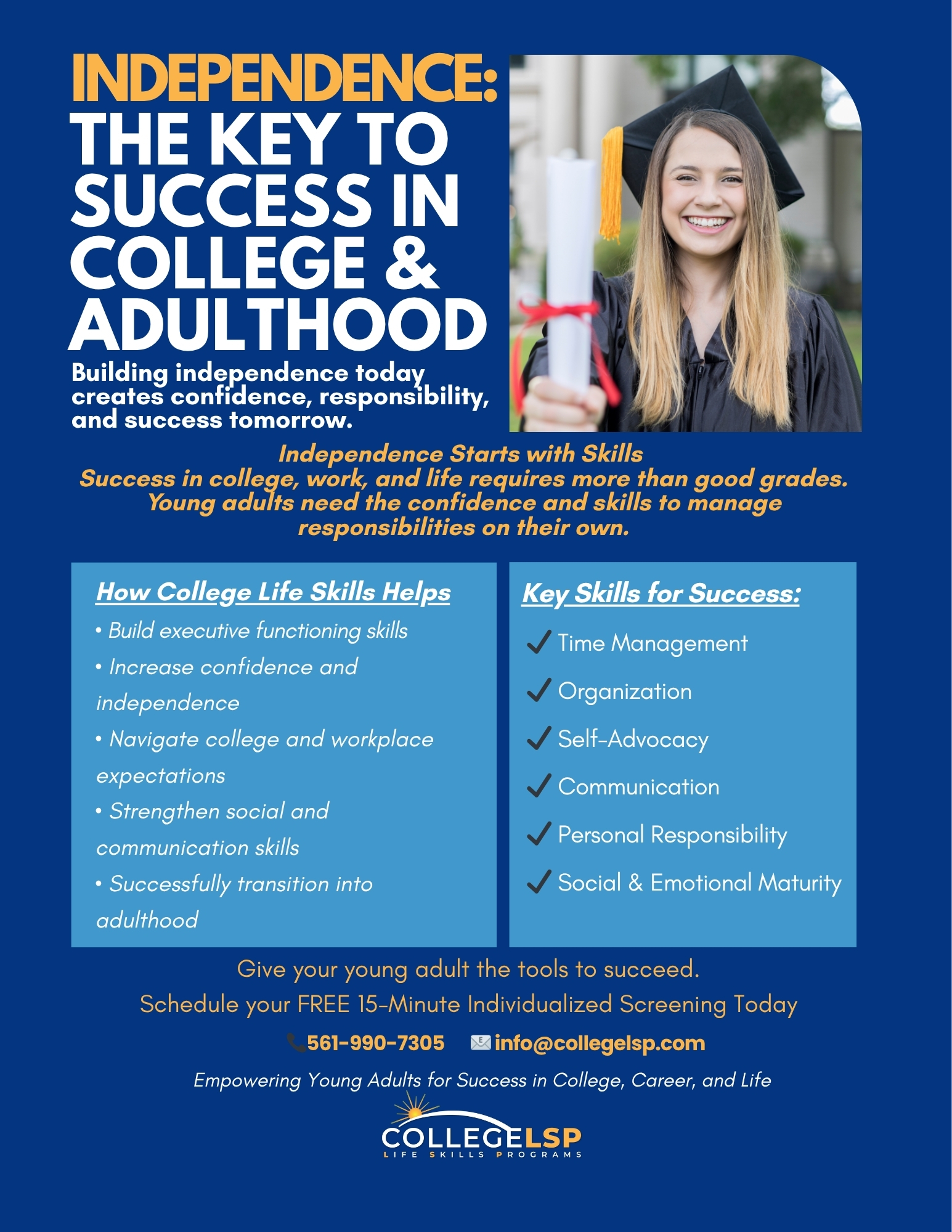
At the College Life Skills Program, our team of Doctoral and Master level professionals utilizes a series of highly individualized strategies, services, and techniques to help young adults who are college bound, in college, and even after college succeed in and after their transition into adult life. We help teach them skills so they can be successful in the work world and in life as well as help them learn how to balance independent life on their own, and other life skills, executive functioning skills, and emotional maturity. If your young adult is struggling with living with roommates, or the transition into college and adulthood, CollegeLSP has the o aid them in achieving and generalizing such skills.
Click here and call now to schedule your FREE 20-minute individualized screening.
Dr. Eric J. Nach, Ph.D., M.Ed., A.S.D.C., is a Developmental and Behavioral Specialist who specializes in Autism, ADHD and related disorders. Dr. Nach is the founder of the College Life Skills Program where he and his team of professional’s help develop the Emotional Maturity, Executive Functioning, Life Skill and Social Abilities of college students and those high school students preparing for college. The CollegeLSP is a subsidiary program of the Support For Students Growth Center, located in Boca Raton, FL and providing services nationwide